It’s been a while. Here’s what we’re building for 2026.


I’ll be honest: you haven’t heard from us in a while. That’s going to change.
You’ll be hearing from me more often this year, with real updates about what we’re working on and what we’re learning, because I think the people who fund and/or are interested this work deserve to know what’s actually happening.
We’ve spent the past year doing what we always do after an election: looking at the data, figuring out what worked and what didn’t, and building the programs that will make 2026 different.
I have a lot to share with you over the coming weeks, including some data about the 2024 youth vote that I think will change how you understand what happened. But today I want to tell you what we’re building, and why.
This email is long. If you don’t make it to the end, here’s the short version: we’ve identified three programs that produce the largest measurable increases in voter turnout, and we’re scaling all three for the 2026 midterms.
Still here? Good. Here’s the plan.
2026 is a midterm year, and midterms are where our programs produce the biggest returns. We picked three priorities because they produce the largest measurable increases in voter turnout. Not because they’re trendy, not because a funder asked for them, but because the data says they work.
1. Pre-registering high school students (FutureVoter)
There are 16.4 million high school students who will be eligible to vote by 2028. Only about 12% are pre-registered, because most don’t know it’s an option.
We built a website and app called FutureVoter that walks teens through the process, and we’ve partnered with DoSomething.org, Voters of Tomorrow, TurnUP, and Feel Good Action to get it in front of as many young people as possible. The research is clear: pre-registration increases turnout 6 to 13 points among the youngest voters.
2. College media and campus mobilization
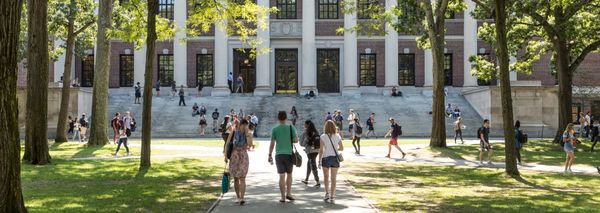
There are 15.4 million college students. They don’t need to be convinced to vote. They need to be taught how.
In 2020, we ran the largest campus mobilization program in the country: ads in campus newspapers, transit systems, and email blasts on 241 campuses, including 94 of 107 HBCUs, reaching over 3 million students.
That year saw record-high youth turnout. A fully funded version of that program in 2024 would have cost $22 million, which is 1% of what the Harris campaign and associated Super PAC spent. It wasn’t funded. We’re not making that mistake again.
3. Permanent absentee voting recruitment
In 9 states, voters can sign up to automatically receive a ballot in the mail for every future election.
When we control for demographic factors, this produces a turnout lift of about 13 percentage points, the largest effect we’ve measured for any single tactic. For context, the most effective traditional GOTV method (warm SMS) gets you about 3 points.
We’re going to recruit as many voters as we can onto permanent absentee lists before November.
I’m going to send you a longer email soon about what actually happened with young voters in 2024, because the dominant narrative is wrong and the data matters.
But the short version is this: the problem was participation, not persuasion. People didn’t change their minds. They just didn’t vote.
That’s a solvable problem. It’s the problem VoteAmerica was built to solve. Our programs are backed by randomized controlled trials, we publish our research, and we are relentlessly focused on what works.
Election Day doesn’t move. The work we do now determines what’s possible in November.